12 Best AI For Reputation Management (2026)
Written By: Vincent Nguyen

⟦embed:keyTakeaways⟧
If you're running a multi-location business, you already know how much your reputation matters.
When you're small, managing it is straightforward. But as you scale, it gets significantly harder, and for a few good reasons:
Reviews are everywhere, visibility is nowhere. They pile up across Google, Trustpilot, Yelp, TripAdvisor, and more, with no central place to track them.
Responding becomes a full-time job. Every review needs a reply, and winning back unhappy customers takes real effort at scale, it's unsustainable without tooling.
No way to read the room. Without structured feedback analysis, it's nearly impossible to know what people actually think about your business or whether you're delivering a good experience.
That's exactly where an AI-powered reputation management software comes in.
Why You Should Use AI For Reputation Management?
AI is a fascinating and powerful technology, but as a business owner and leader, you need to know where to implement AI to maximize its potential.
And reputation management is the perfect area to implement AI. The Deloitte 2025 AI in Restaurants Survey interviewed 150 restaurant brand executives about the state of AI in the restaurant industry, and the majority of them agree on the power of AI for customer experience enhacement.
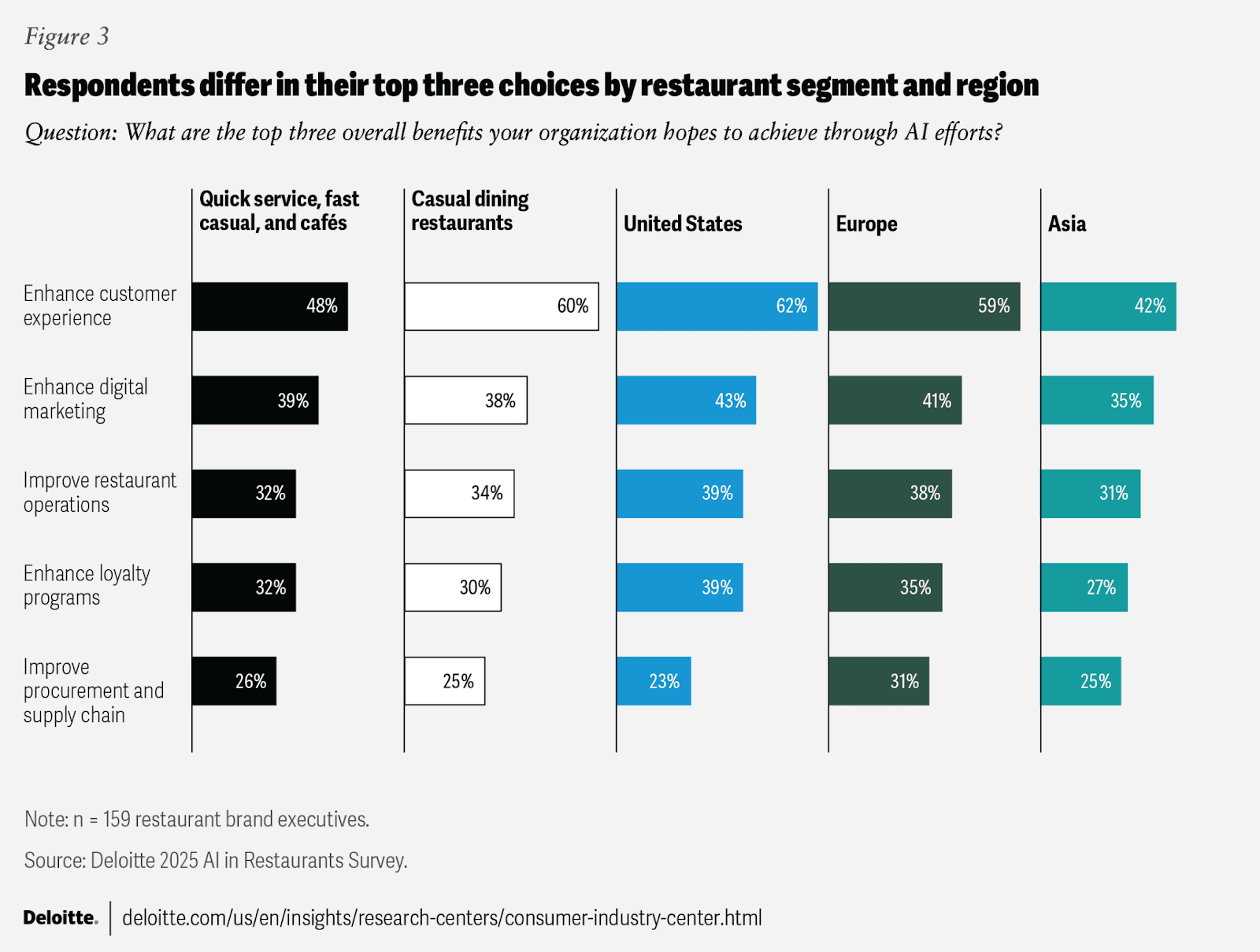
In practical terms, that means using AI to:
Monitor and flag incoming customer reviews across platforms
Analyze customer sentiment to surface recurring issues
Draft and send personalized responses to reviews at scale
Power loyalty programs with personalized rewards and offers
Handle customer inquiries and FAQs via AI chatbots
How we choose the best AI software for reputation management?
All of the AI tools in this list have been chosen based on four simple factors:
⟦embed:m9DfapLrK⟧
1. Momos
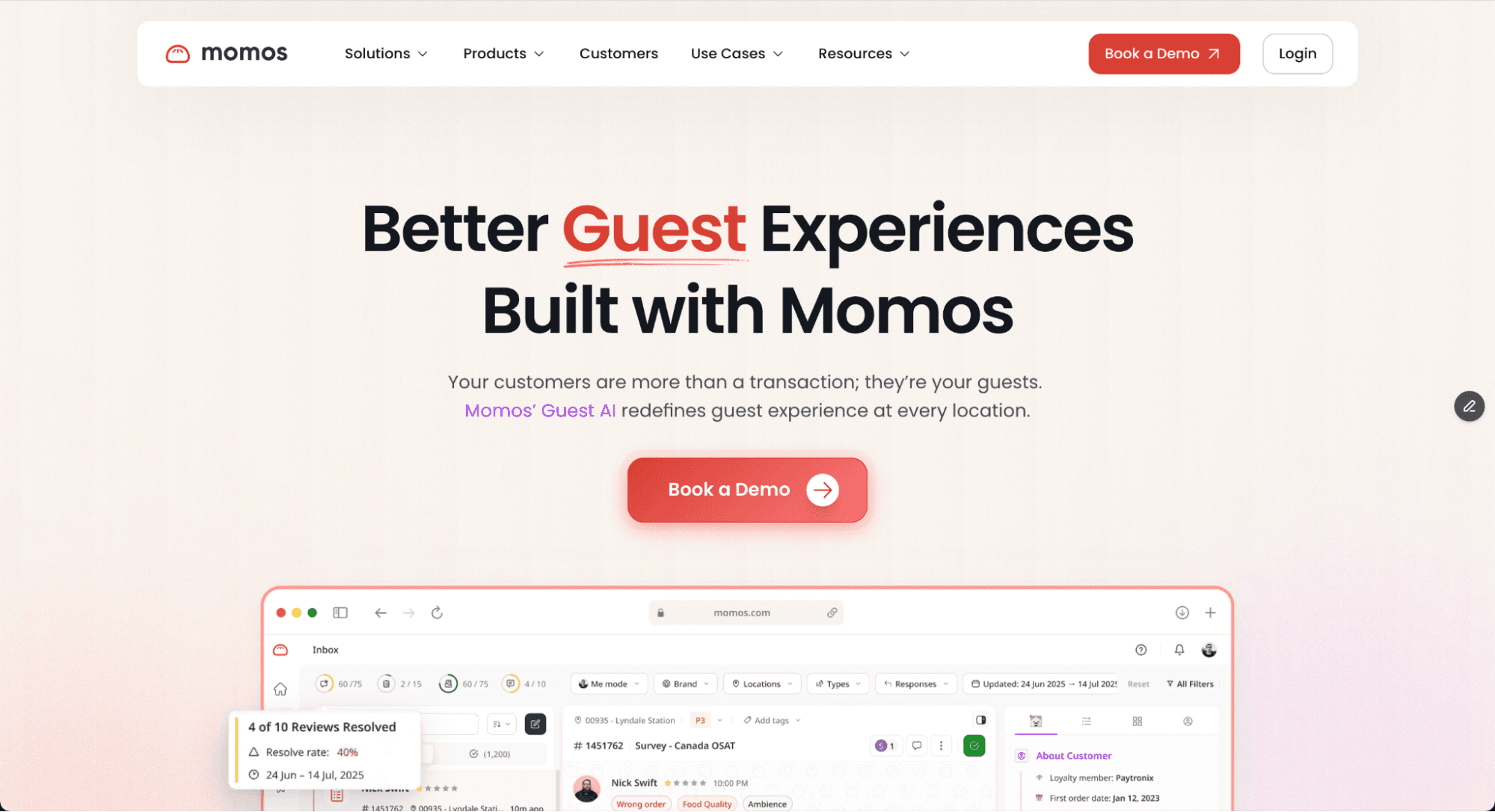
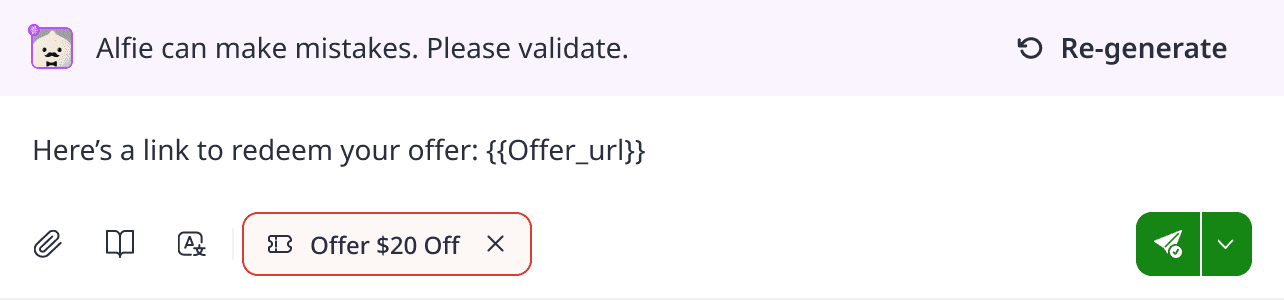
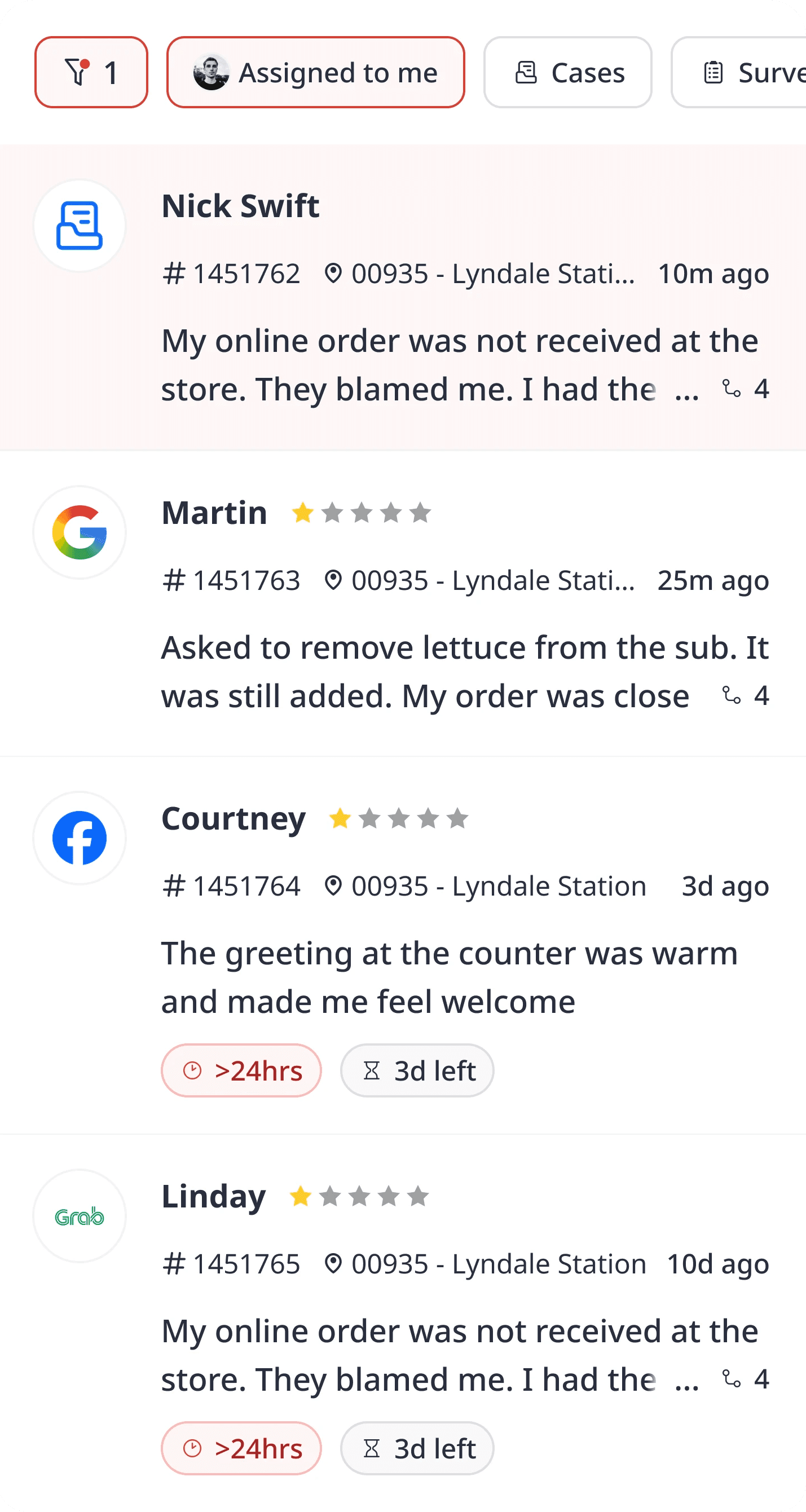
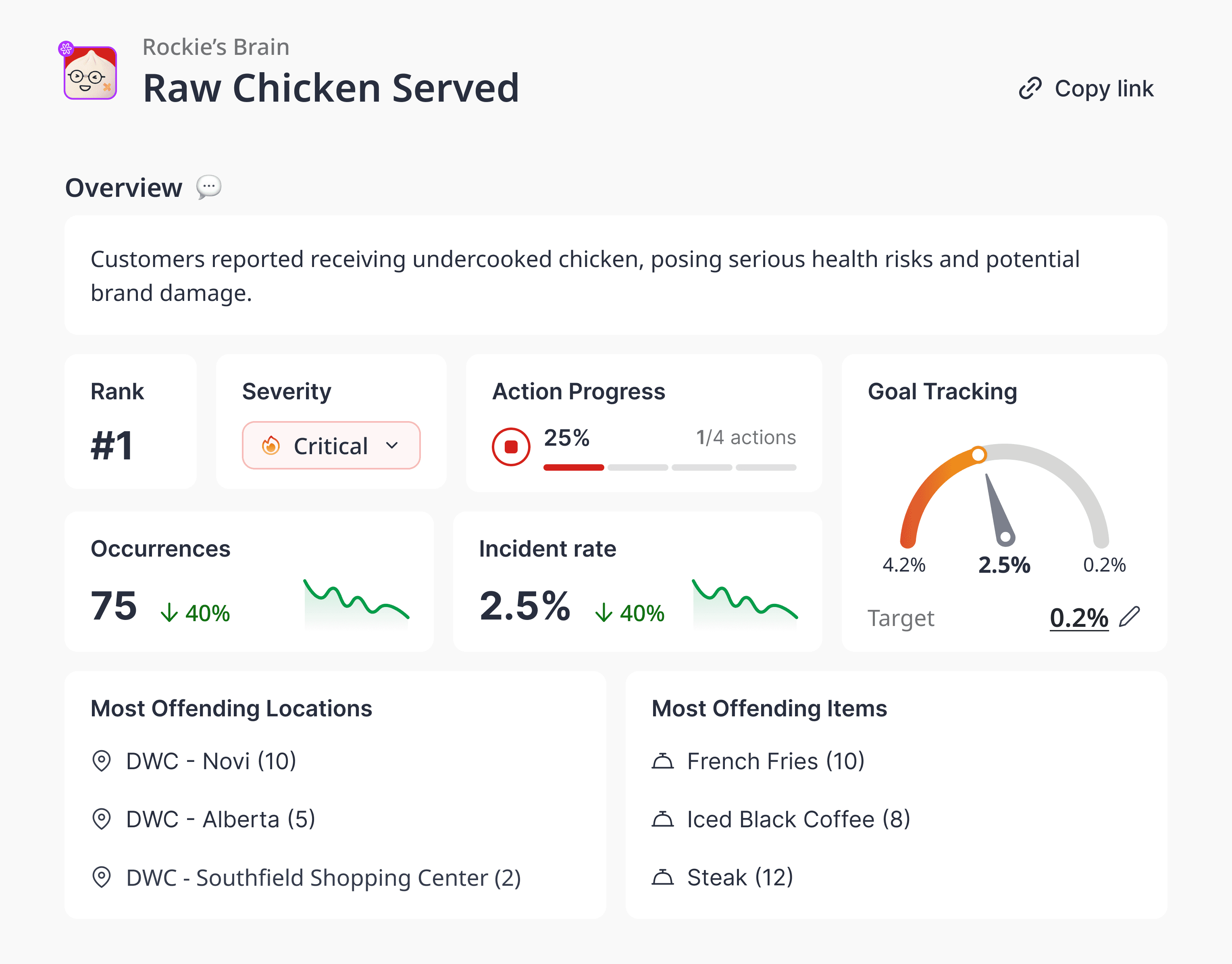
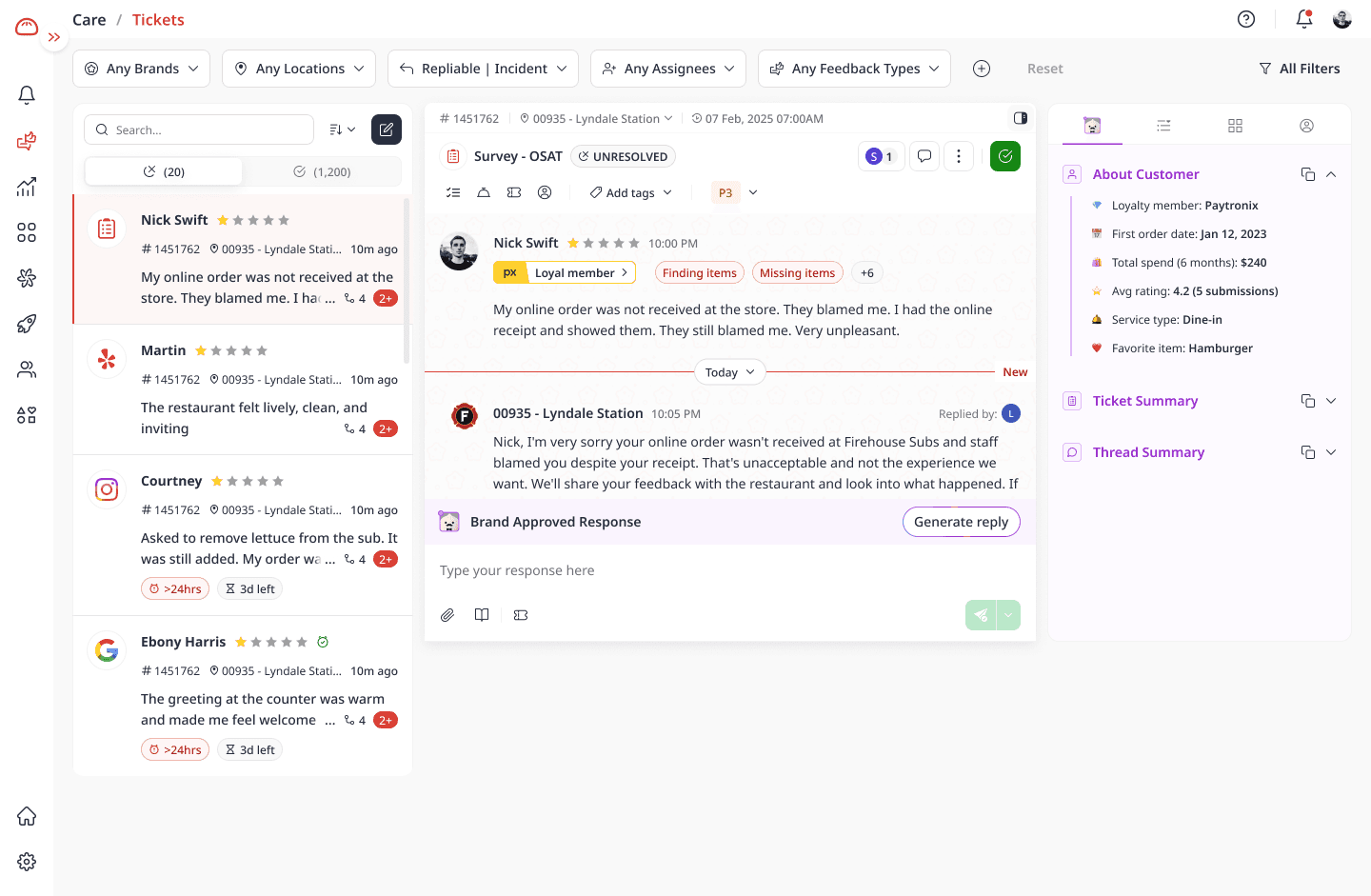
Momos gives restaurant chains a team of AI agents that take on the daily reputation work. Alfie, the Experience Agent, replies to reviews and guest messages in your brand voice, while Rockie, the Intelligence Agent, watches every location for incidents, risks and their root causes.
For a chain weighing AI-powered reputation management, the appeal is that these agents take action as well as report. Papa Murphy's signed on in July 2024 and runs more than 1,000 stores on Momos; within a year, its rating rose from 3.96 to 4.72.
Key features
Replies within minutes: Alfie answers Google, Yelp, OpenTable and TripAdvisor reviews in your house style and remembers each guest's earlier visits and preferences.
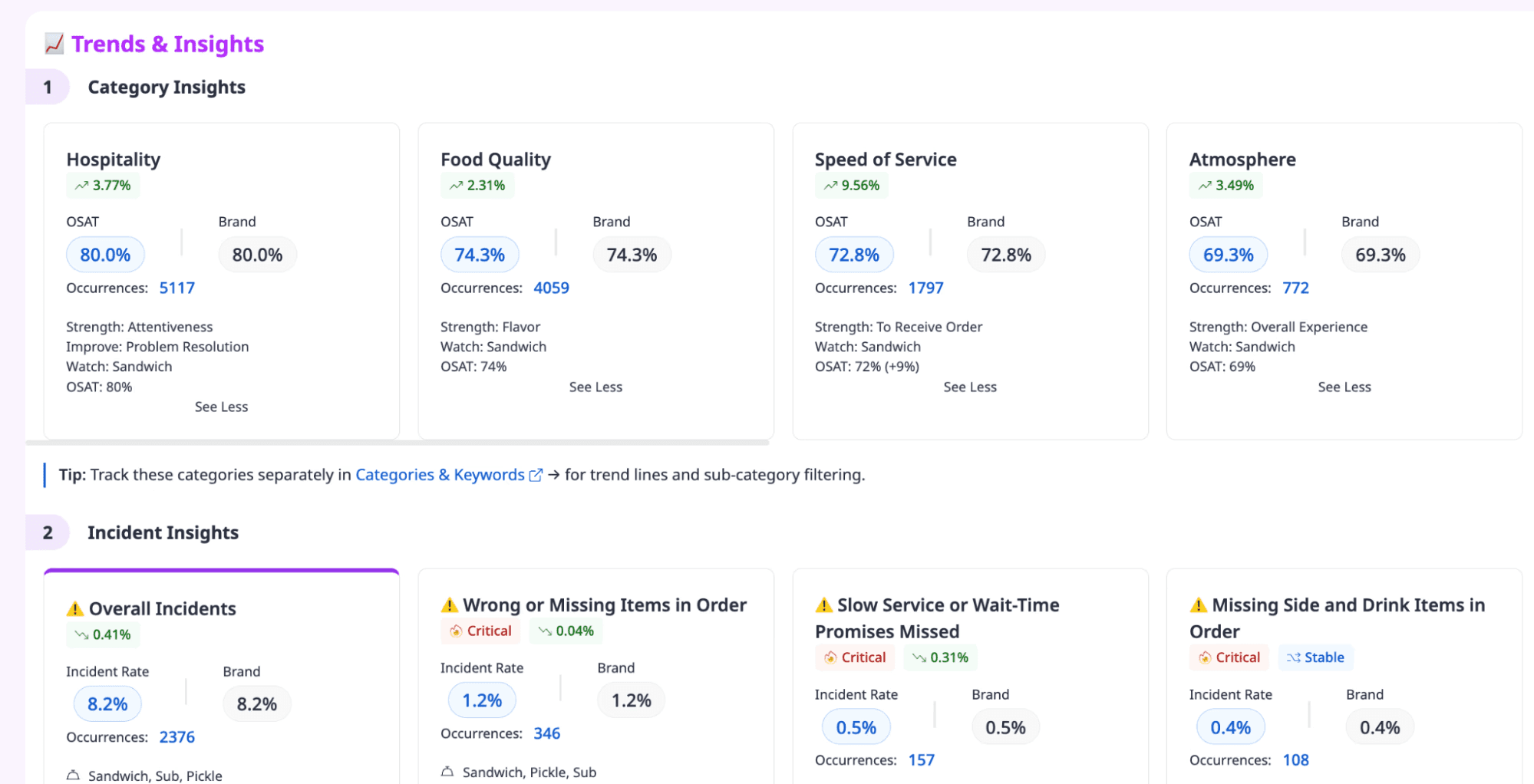
An agent for root causes: Rockie ranks your locations, flags incidents and risks, answers questions in chat and sends personalized reports to your phone.
Every signal in one place: The Unified Inbox combines reviews, App Store feedback, social DMs and POS data, tagged by AI with real-time alerts.
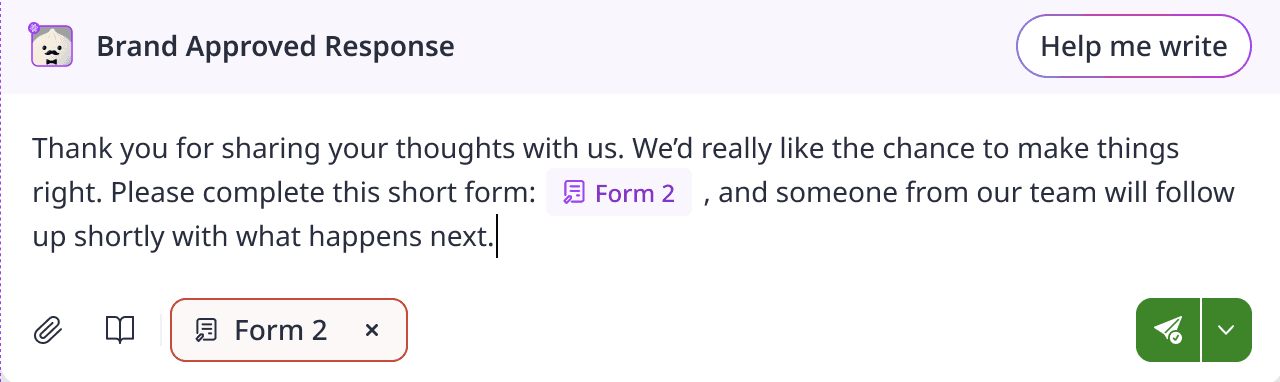
Offers inside the reply: When a guest had a bad visit, Alfie can attach loyalty points, a coupon or an offer drawn from your loyalty platform.
Answers in any language: Real-time translation lets each store reply to a reviewer in the language of the review.
Pros
Built for restaurant groups: Review replies, guest support, surveys and recovery for all your stores share one system.
Agents that finish the job: A complaint can end with a recovery offer, and Alfie then checks whether the guest came back.
Clear view by store: Analytics show which topics lift or sink ratings at each location, so you can improve guest experience chain-wide.
Results on record: Papa Murphy's automates 97.7% of its review replies and credits offers with more than $2M in recovered revenue.
Cons
Quote only: There's no price list or self-serve trial; pricing comes after a demo.
Restaurant focus: A brand outside hospitality, or a lone location, would use only a fraction of what it offers.
Guided setup: The Momos team trains Alfie for about a week before it goes live.
Price and plans
Momos doesn't publish prices; you get a custom quote after a demo, which you can book on the Momos website.
⟦embed:bGjVuAXeN⟧
2. Birdeye

Birdeye is an agentic marketing and reputation platform for brands with many locations. It runs review management alongside listings, messaging, social, surveys and AI search visibility, and its AI agents carry out much of the routine work, from drafting replies to updating directory details.
Birdeye's recent releases put AI agents at the center of reputation work. In September 2026 it introduced three AI Coworkers (Jay for marketing, Myna for operations and Robin for customer experience) that together direct 27 agents. Restaurants were an early focus: a January 2025 release added language models trained on restaurant data.

Key features
Agent-written replies: AI drafts responses in your brand voice for approval, or agents post them on their own once you trust the tone.
Review ticketing: Monitoring spans Google, Yelp, Facebook and industry sites, and a negative review becomes a ticket for the manager of that location.
Review requests: SMS and email invitations ask recent customers to rate their visit, which keeps fresh reviews coming in.
Insights AI: Surveys and reviews feed sentiment analysis with reports by location, district and region, plus competitor benchmarks.
Search AI: It tracks how AI answer engines present your brand and helps you improve that visibility.
Pros
Hands work to AI: Agents and AI Coworkers take on replies, listings updates and reporting, which helps when location managers have little time for reviews.
Restaurant training: The restaurant edition uses models trained for the industry and watches Yelp reviews through a partnership with Yelp.
Regional reporting: District and region views suit chains and franchise groups that manage reputation by area.
Well rated: Birdeye holds a 4.7 out of 5 rating on G2.
Cons
No public prices: Birdeye asks for your location count and sends a quote.
Cross-industry scope: Some Coworker skills, such as Myna's appointment bookings and insurance verification, are aimed at other industries.
Sized for chains: A single restaurant may need only a small part of the platform.
Price and plans
Birdeye doesn't publish prices. Its pricing page says you pay for what you deploy at your locations under one contract, and you request a quote with your number of locations.
3. OvationUp
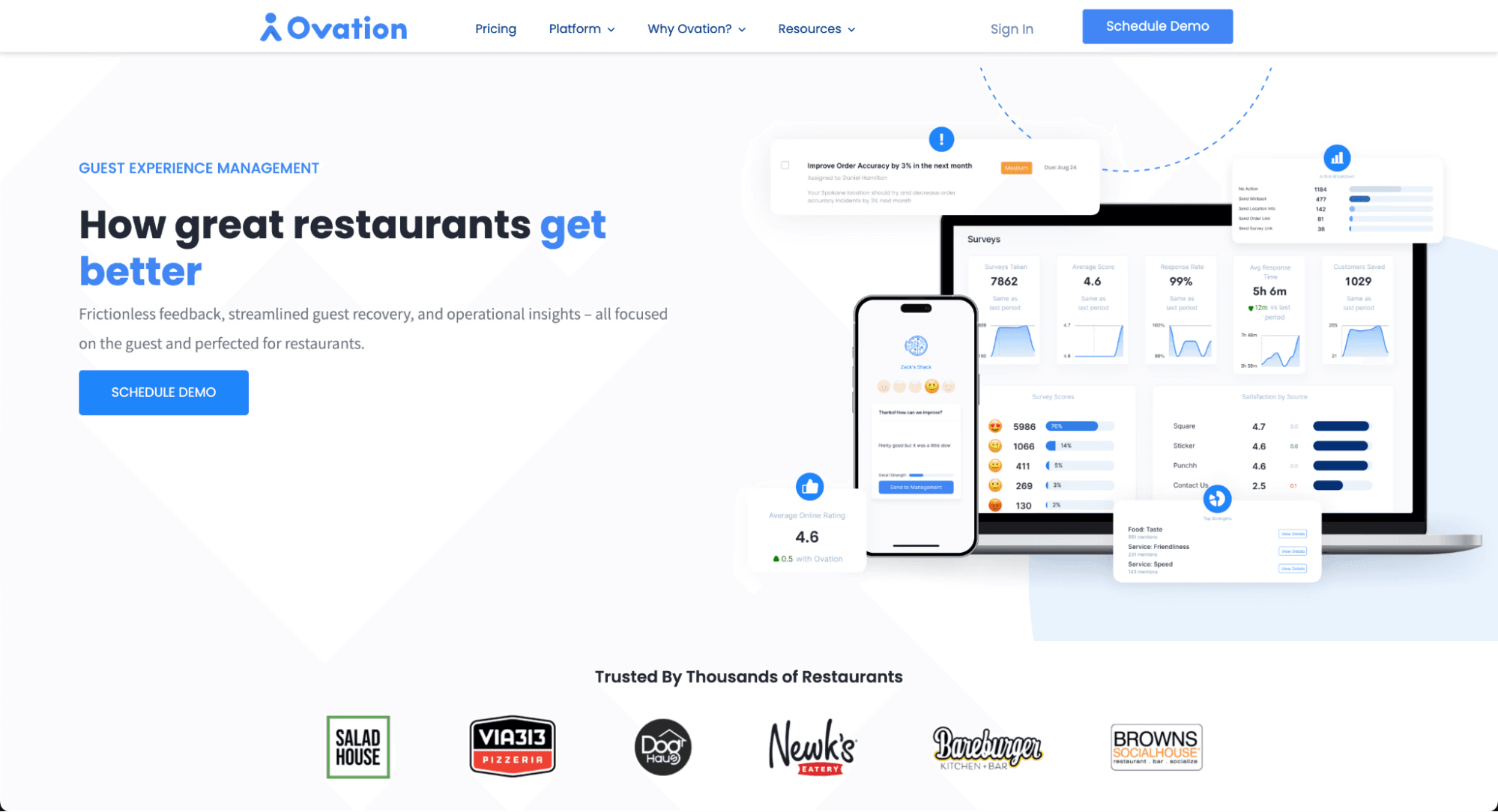
Ovation, sold at ovationup.com and often called OvationUp, is an AI-first guest experience platform for multi-unit restaurants. Its AI reads private text feedback and public reviews together, sorts what guests write into restaurant themes and drafts replies your team approves.
The AI starts from private feedback. A two-question text survey follows each order, so the system also learns from complaints that guests never post publicly. Dave's Hot Chicken, Curry Up Now and Bareburger have case studies on Ovation's site.
Key features
Brand Voice for AI drafts: Tone instructions from the spring 2026 release guide every suggested reply, winback message and automated response, and staff can edit each draft before it goes out.
AI theme tagging: Written comments are filed under restaurant topics like cleanliness, speed and the quality of the food, which shows where complaints cluster across your locations.
Menu Item Performance Report: Guest sentiment is matched to order data, so you can see which dishes sit behind falling scores.
Review inbox: Reviews from Google, Yelp, Facebook and other sites land in one place, filterable by platform, rating and location.
Competitive Pulse: Each location is benchmarked against as many as five nearby competitors.
Pros
Restaurant categories built in: The AI's themes use the language of restaurant operations, so reports read the way a general manager already thinks.
Early warning: Real-time alerts on negative survey answers give a manager time to contact the guest before a review is posted.
Feedback and reviews together: Since the fall 2025 release, private surveys, public reviews, listings and social share one dashboard.
Customer-backed: In February 2026, nearly a dozen restaurant customers invested $3 million, taking total funding to $12 million.
Cons
Quote-only pricing: Ovation doesn't publish prices, so comparing costs means booking a demo or a chat first.
Newer review tools: Review and listings management arrived with the fall 2025 release, so that part of the product has a shorter record than its surveys.
Few independent ratings: G2 lists only a couple of user reviews, too few to compare it with larger platforms.
Price and plans
Ovation doesn't publish prices. It quotes each account on its physical locations and ghost kitchens, with volume discounts.
4. Reputation.com

Reputation (formerly Reputation.com) runs review management, surveys, listings and social for large multi-location brands, with a growing set of AI tools on top. Its entry plan already includes AI-written review responses, and higher tiers add tools that track your brand in AI search.
Its AI goes further than drafting replies. Reputation IQ, launched in May 2026, answers plain-English questions about your review and survey data, while the expanded AI Reputation Manager follows what ChatGPT, Perplexity and Gemini say about your restaurants.
Key features
AI responding: Draft replies to reviews from Google, Facebook and other connected sites in one inbox, so managers edit and approve in place of writing every answer.
Reputation IQ: Ask something like which locations get the most complaints about wait times, and get an answer drawn from your guest feedback.
AI Reputation Manager: Structures menus, hours, photos and attributes so your restaurants can appear in AI recommendations and "near me" searches.
Sentiment themes: Text analytics file each comment under a topic such as service or cleanliness and score how guests feel about it.
RepScore: An AI-driven score for every location and region shows where attention is needed first.
Triggered review requests: A dine-in visit, delivery or POS event can send the guest a request by SMS, email or QR code.
Pros
AI in the base plan: Rep Core already covers AI responding, review requests, listings and SEO.
Several AI tools on one dataset: Reply drafting, plain-English questions and AI search tracking all work from the same review and survey data.
Listed prices: The core plans show a price per location, which makes budgeting easier than with quote-only tools.
G2 rating: Reputation holds 4.5/5 on G2.
Cons
Premium sources cost extra: The pricing page puts Yelp and Tripadvisor among its Premium Sources, which is an add-on.
AI insights need a higher tier: AI Reputation Manager and Rep Score start on Rep Core + Pulse at $115 per location.
Per-location costs: At $80 to $150 per location each month, the bill grows with every restaurant you add.
Price and plans
Reputation publishes per-location monthly prices for its core plans and sells through its sales team; add-ons are quoted separately.
Rep Core: $80 per location, per month.
Rep Core + Pulse: $115 per location, per month.
Rep Core + Surveys: $150 per location, per month.
Enterprise: Custom pricing for 125+ locations.
5. Brand24

Brand24 is an AI social listening tool that tracks where people mention your brand online, from social posts and news stories to forums, podcasts, videos and review sites. AI labels the sentiment and emotion of each mention, and a chat assistant answers questions about your data.
For restaurant marketers, its newest AI feature may matter most: an LLM Monitoring tab, added late in 2025, reports how ChatGPT, Gemini and Claude describe and rank your brand. Brand24 doesn't reply to reviews, so it works best next to a review management tool.
Key features
Mention tracking: Social networks, news sites, blogs, forums, podcasts, newsletters and video are all searched for your name.
AI sentiment and emotion: Every mention is tagged positive, negative or neutral, with a reading of the emotion behind it.
Brand Assistant: Type a plain-language question about your mentions and get a written answer drawn from them.
LLM Monitoring: A Brand Score, median position and AI share of voice show where AI assistants place you and which sources they cite.
ChatGPT app and MCP server: Pull mentions, sentiment, influencers and competitor data into ChatGPT, Claude and other assistants.
Pros
AI throughout: Tone scoring, a chat assistant and AI-answer tracking come in one product.
Fast data: Pro, Business and Enterprise update in real time, and Team refreshes every hour.
Easy to test: The 14-day trial needs no credit card.
Rated 4.6 on G2: The average comes from 332 reviews.
Cons
No review replies: It listens to conversations but has no way to answer reviews, so you'll still need a separate tool for that.
AI visibility costs extra: The pricing table marks the AI Visibility module as an add-on outside Enterprise.
Slower entry plan: Individual allows one user and three keywords and refreshes about every 12 hours.
No free plan: Once the trial ends, you need a paid subscription.
Price and plans
You can try Brand24 free for 14 days. Prices are per month, and annual billing lowers the rate.
Individual: $249 per month, or $199 per month billed annually.
Team: $349 per month, or $299 per month billed annually.
Pro: $499 per month, or $399 per month billed annually.
Business: $699 per month, or $599 per month billed annually.
Enterprise: From $1,499 per month, billed annually.
6. ReviewTrackers

ReviewTrackers is a review monitoring and analytics platform for multi-location businesses. It collects reviews in one dashboard, lets local managers answer with wording head office has approved, and can draft replies with generative AI from prompts your brand saves.
InMoment bought ReviewTrackers in 2022, and Press Ganey Forsta acquired InMoment in May 2025. For a restaurant group weighing AI tools, its appeal is control: a person or a saved prompt shapes every answer, which suits brands with strict approval rules.
Key features
AI Auto Responding: Generative AI writes personalized replies from the brand prompts you store. InMoment launched it in July 2025 on its Locations Starter and Locations Essential plans.
Smart Response: Managers choose from replies your brand team has signed off and post one in a few clicks.
Sentiment and topic analytics: Review text is sorted into themes and scored for tone, so a complaint that keeps returning at several stores is easy to see.
Review alerts: Data from 100+ sources, Google and TripAdvisor among them, feeds one dashboard and flags each new review.
Review requests: Automated emails and texts ask recent customers to rate their visit.
Pros
AI with guardrails: Replies start from prompts and templates your brand controls, which lowers the risk of an off-brand answer going live.
Made for chains: Reports by location and access by role can follow the way your franchise is organized.
Unlimited users: The Starter plan has no cap on users, so every general manager can have a login.
Strong rating: G2 reviewers rate ReviewTrackers 4.6 out of 5 across 161 reviews.
Cons
Check AI availability: The AI Auto Responding announcement came from InMoment and never names ReviewTrackers, so ask sales whether your plan includes it.
Analysis costs a tier: Experience analysis and competitor insights come with the Essential plan only.
No public prices: A budget figure means booking a meeting with sales first.
Price and plans
ReviewTrackers doesn't publish prices; you get a quote after a meeting. Its three plans (Data Only, Starter and Essential) are priced per location, per month and paid annually.
7. Yext

Yext is a publicly traded (NYSE: YEXT) digital presence platform for multi-location brands. It keeps every location's details in one knowledge base and runs listings, local pages and reviews from it, with AI drafting review replies and measuring how AI assistants describe your brand.
For an AI reputation program, the standout piece is Scout, launched in March 2025, which shows how ChatGPT, Gemini and Perplexity talk about your restaurants compared with competitors. In April 2026, Popmenu widened its partnership with Yext so restaurants can answer reviews on 70+ platforms.
Key features
AI reply drafts: AI writes a response to each new review for your team to approve, and rules can let routine replies post on their own.
AI search tracking: Scout measures visibility and sentiment in Google, Bing and AI assistants, benchmarked against rival brands.
Review requests: Invitations go out by email, text or QR code, and an algorithm steers guests toward the sites that matter most for search.
Knowledge Graph: Hours, menus and location details live in one record that updates your listings on Google, Apple Maps, Bing and Facebook.
Franchise controls: Role-based access, audit trails and approval steps decide who can publish a reply for each location.
Pros
AI with a human check: Drafted replies wait for approval by default, so your brand voice stays in your team's hands.
AI answers covered: Scout reports how AI assistants describe you as well as where you appear in classic search.
Wide review coverage: Monitoring spans Google, Facebook, Yelp and 80+ industry sites from a single dashboard.
Well rated: Yext averages 4.4 stars out of 5 among G2 reviewers.
Cons
No price list: Yext prices each deal by location count and product, so you can't compare costs before talking to sales.
No free trial: Yext offers no free tier or standard trial, which means you judge the AI features in a demo.
Listings come first: Reviews sit alongside listings and search, so brands that mainly want AI guest messaging or surveys may need another tool.
Price and plans
Yext doesn't publish prices; you get a custom quote after a demo, based on your location count and the products you choose. Billing is typically annual, and a multi-year term costs less per year than a one-year term.
8. Chatmeter

Chatmeter is a reputation, listings and local search platform for brands with many locations, now sold as Alchemer Reputation Management. Its AI publishes review replies under rules you set and answers questions about what guests are saying across reviews, social posts and surveys.
Alchemer, a survey and customer feedback company, bought Chatmeter in September 2025. The AI work since then has centered on automation with guardrails: AI Auto-Responder arrived in March 2026 and holds sensitive reviews back for a person before anything goes live.
Key features
AI Auto-Responder: Writes on-brand replies and publishes them for the reviews your rules allow, filtered by star rating, platform and review text.
Pulse Ai: Signals: You type a question in plain language and get an answer drawn from reviews, social posts, surveys and the photos guests attach.
Competitive Intelligence: Released in July 2025, it compares each location with nearby competitors and maps the results region by region.
Review management: Monitors and answers reviews from 100+ sites in a single dashboard, with bulk responses and suggested replies.
Listings and local pages: Keeps store details accurate across Google, Apple Maps and 70+ directories, and builds a search-friendly page for each location.
Pros
Automation with a safety net: Routine praise can be answered on its own, while a risky review, such as a food safety complaint, goes to your team first.
AI across all feedback: Pulse Ai drills into one location, a region or a single review site, which helps when you're tracing a sudden dip in ratings.
Surveys next to reviews: Since the Alchemer deal, public reviews and survey answers can be analyzed on the same platform.
Strong user rating: Alchemer Reputation Management, as G2 now lists it, holds 4.5 out of 5.
Cons
Quote-only pricing: Alchemer's public price list covers its survey licenses, and reputation management is priced after a demo.
No self-serve trial: You can't try the AI on your own reviews before a 30-minute demo with sales.
A brand in transition: The Chatmeter site now announces the move to Alchemer, so expect Alchemer's name on contracts and support.
Price and plans
Alchemer doesn't publish prices for Chatmeter. You book a demo and get a quote for your locations.
9. Sprout Social

Sprout Social is a social media management platform that also collects and answers reviews. Its AI agent, Trellis, and the AI Assist tools draft replies and posts, summarize data and suggest tags, so a marketing team can work through social comments and reviews in one queue.
It's a social tool first, best suited to restaurant groups whose marketing team already runs social media and wants AI help with replies. In May 2026, Sprout turned Trellis into a conversational layer across the product and added Trellis Studio for building custom AI workflows.
Key features
Trellis AI agent: Answers questions about your social and review data in conversation, and Trellis Studio runs AI workflows your team designs.
AI Assist: Polishes drafts of posts and replies; Enhance Reply is listed on the Advanced plan.
Smart Inbox: Messages, comments, mentions and reviews from connected networks arrive in one feed.
Reviews tab: Gathers reviews from Google Business Profile, Facebook, Yelp, Tripadvisor and Trustpilot, and replies to Google and Facebook reviews go out from Sprout.
Listening with news: Social listening tracks sentiment and trends, and the NewsWhip purchase in July 2025 extended it to news coverage.
Pros
AI included on every plan: Each seat gets 100 Trellis credits a month at no extra charge.
One team, one queue: Social engagement and review replies share the same inbox, tags and workflow.
Collaboration controls: Approvals, routing, task assignment and permissions keep several people working on one account in order.
Try before buying: The 30-day free trial doesn't ask for a credit card.
User rating: G2 reviewers rate Sprout Social 4.4 out of 5.
Cons
Credits for heavier AI use: Trellis Chat and Skills draw on credits, and going past 100 per seat a month means buying Trellis Plus at $28 per seat.
Reviews start on Standard: The entry Essentials plan doesn't list review management.
Listening costs extra: Social listening is an add-on, priced after a demo.
Per-seat pricing: Every manager who needs access adds another seat to the bill.
Price and plans
Sprout Social offers a 30-day free trial with no credit card. Prices are per seat, per month, billed annually.
Essentials: $79 per seat, per month ($99 billed monthly).
Standard: $199 per seat, per month.
Professional: $299 per seat, per month.
Advanced: $399 per seat, per month.
Enterprise: Custom pricing.
10. Qualtrics

Qualtrics is an experience management (XM) platform that large companies use to study their customers, employees and brand. Its AI reads open-ended survey answers and public reviews, sorts them by theme and sentiment, and powers Experience Agents that act on what people say.
For reputation work, the AI earns its place in three jobs: drafting review replies in your brand's voice, spotting patterns across thousands of comments, and starting service recovery while a guest is still upset. At its X4 conference in March 2026, Qualtrics said these agents were already running for paying customers.
Key features
AI reply suggestions: The online reputation management module drafts responses that match your brand's voice, and managers send them from Qualtrics dashboards.
Theme and sentiment detection: Text analytics groups written comments and reviews into topics, so a problem building at one location surfaces early.
Experience Agents: AI agents respond to incoming feedback, for example by opening a real-time service recovery with an unhappy guest.
Predictive models: Analytics estimate which issues drive satisfaction and which customers look likely to churn.
Review aggregation: Ratings from Google, Yelp, Facebook and TripAdvisor land in the same dataset as your survey results.
Pros
AI across the whole program: Surveys, public reviews and follow-up actions share one platform, so your team doesn't stitch together separate AI tools.
Agents already in use: Experience Agents moved past the demo stage, with Qualtrics reporting paying customers on them in early 2026.
Solid user rating: Qualtrics Customer Experience holds 4.3/5 on G2 across 751 reviews.
Cons
Quote-only pricing: Each CX plan on the Qualtrics pricing page says "Request Pricing", and the cost is tied to the number of interactions.
No trial: The pricing page offers only a demo request, so seeing the AI handle your own guest data starts with a sales call.
Sized for enterprises: A brand without a CX or insights team may pay for research modules it never opens.
Price and plans
Qualtrics doesn't publish prices. Its CX plans, including one for location-based industries such as restaurants, are priced by interactions, and you get a quote after a demo.
11. SOCi

SOCi is a localized marketing platform for franchise and multi-location brands that hands most of the local work to AI. Its Genius Agents learn each brand's guidelines and handle review replies, listings and social posts for every location, while corporate decides how far they can act on their own.
If you want AI to carry the daily reputation work across a large network, SOCi is built for that job. By its own count, more than 412,000 of its agents were deployed by September 2026, and together they complete upward of 27 million localized jobs each year. The company also rebranded and moved from meetsoci.com to soci.ai.
Key features
Genius Reputation Agent: Answers every review in your brand voice without anyone logging in, and routes sensitive reviews to a person.
Voice of Customer: Sentiment reporting across locations shows which stores guests praise and which draw repeat complaints.
Review solicitation: The reputation agent can also ask recent guests for reviews and run customer surveys.
Local search agent: A second agent keeps hours, menus and delivery links accurate on Google, Apple Maps, Yelp, Facebook and delivery apps.
Social agent: The Genius Social Agent writes local posts and responds to comments in your voice.
Corporate guardrails: Role-based permissions decide what the agents and local managers may change.
Pros
Hands-off replies: Scooter's Coffee says the reputation agent let its team set the tone and voice, step back and automate its replies.
People stay in the loop: Sport Clips runs more than 3,400 agents, and its store owners keep oversight while delicate reviews go to staff.
No per-seat charges: Pricing follows locations and agents, so adding local managers or an agency doesn't raise the bill.
Strong rating: SOCi holds a 4.5/5 rating on G2.
Cons
No public pricing: You need a demo and a custom quote before you know what the agents will cost.
No free trial: There's no way to test the AI on your own reviews before you sign.
Large-network focus: SOCi is designed for brands with hundreds or thousands of locations, so a single restaurant would use little of it.
Price and plans
SOCi doesn't publish prices and has no free trial. Each quote is based on your location count and the Genius Agents and skills you deploy, with no per-user or per-listing fees.
12. Malou

Malou is a Paris-based AI marketing platform made only for restaurant groups. Its AI writes review replies, reads reviews for recurring themes and supports local SEO, listings, social posts and visibility in AI search.
You can run it yourself through MalouApp or add Copilot, which pairs your group with a dedicated marketing expert for search and social work. Krispy Kreme and Tudor Steak House NYC are among the brands Malou names as customers.
Key features
Guideline-based replies: The AI adapts each response to the review's tone and sentiment while following the voice rules your brand sets.
Reply scoring: Every response gets a quality score, with tips based on Google's best practices.
Sensitive-topic alerts: Reviews that mention hygiene, discrimination or similar issues are flagged for a person to handle.
Semantic analysis: Malou pulls recurring themes out of your reviews, so patterns show up without reading every comment.
Pages for AI search: A store locator and local pages are built to be found by search engines and AI assistants.
Pros
Restaurant-only design: Every part of the product is built around restaurant reviews, listings and local search.
Expert option: Copilot gives groups without an in-house marketer someone to run the work.
Four languages: The app works in English, French, Italian and Spanish.
Cons
Quote only: Malou doesn't publish prices; plans are priced by the number of locations.
Social in the top plan: Social media management comes only with the Full plan.
Few outside reviews: MalouApp has a single review on G2, so independent feedback is thin.
Price and plans
Malou sells three plans, Essential, Growth and Full, priced by how many locations you manage. It doesn't publish prices, so you request a quote.
Conclusion
At the end of the day, the best reputation management platform is the one that accomplishes three things:
It unifies reviews from all platforms and locations.
It responds to reviews at scale.
It surfaces necessary insights about operational excellence and guest experience for you to make informed decisions.
And Momos is the exact platform that satisfies all three criteria. Put simply, Momos is helping major F&B brands to:
Unify reviews across all locations and review platforms in one place.
Leverage AI to understand those reviews and see what guests think about your restaurant.
Respond to every single customer with deep personalization, all while maintaining a consistent brand voice.
Build dashboards to show guest experience and operational excellence insights
Send surveys for customers to leave 5-star reviews, as effortlessly as possible. More reviews means better SEO rankings, which ultimately drives more revenue.
Book a quick demo and see if it’s a right fit for your business!
AI Reputation Management: FAQ
What is AI reputation management?
AI reputation management uses software to monitor, analyze and respond to what customers say about your business online. It pulls reviews and mentions from sites like Google, Yelp and TripAdvisor into one place, reads the sentiment behind them, and drafts replies for you. That frees your team from treating review replies as a full-time job.
Why does reputation management get harder as you add locations?
Reviews pile up across many platforms and every location, so there's no single place to see them all. Replying to each one and winning back unhappy customers takes far more time than a small team can give. Without structured analysis, it's also hard to tell what guests really think or which stores are slipping.
What should I look for in AI reputation management software?
Start with three basics: it should unify reviews from every platform and location, help you respond at scale, and surface insights about guest experience and operations. Beyond that, check whether it fits your industry and size, since some tools are built for local service businesses and others for large enterprises. Features like listings management, surveys and social listening matter if you plan to use them.
Is social listening the same as review management?
They overlap but cover different ground. Review management focuses on collecting reviews and replying to them, while social listening tracks brand mentions across social media, news, blogs, forums and podcasts. If catching conversations early matters to you, a listening tool adds coverage that a review inbox doesn't.
How much does AI reputation management software cost?
Pricing varies widely. Tools for small businesses often publish monthly plans, while enterprise platforms usually quote a custom price based on your number of locations and the features you need. Experience management suites aimed at large CX teams sit at the top of the range, so it's worth getting a quote for your exact setup.
Which AI reputation management tool suits a multi-location restaurant brand?
Look for a platform built for restaurants that handles reviews, replies and analytics in one place. Momos brings reviews from every location and platform into a Unified Inbox, uses its AI agent Alfie to write on-brand replies, and shows what drives positive and negative reviews at each store. You can also send surveys to collect more reviews from happy guests.

 AI agents automate all guest interactions, 24/7, across all locations of your restaurant.


" transform="translate(3.219 19.212)" width="152.45224485148515px"/><path d="M 0 11.619 C 7.071 11.39 33.491 21.738 40.35 21.268 C 38.499 18.19 37.116 14.915 35.507 11.625 C 33.7 7.867 32.587 3.926 31.702 0" fill="transparent" height="21.28391189647101px" id="I9fuJaf7q" stroke-dasharray="" stroke-linecap="round" stroke-linejoin="round" stroke-width="4.97" stroke="rgb(0, 0, 0)" transform="translate(139.727 55.754)" width="40.34950693069311px"/></svg>)